Governments Endorse a New Work Programme to Protect Central Asia's Shared Land Migratory Species
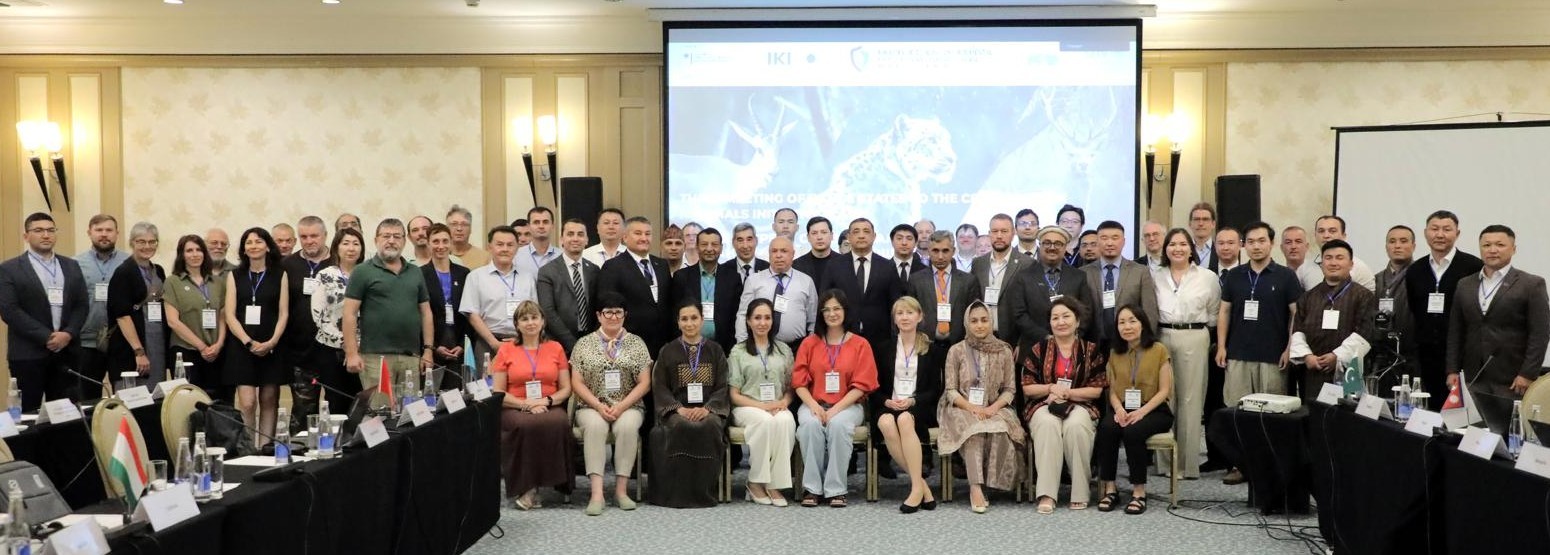
Bonn, 16 October 2025 – Government representatives from the wider Central Asian region endorsed a six-year work programme for the Central Asian Mammals Initiative (CAMI). For the first time, the Work Programme identifies priority transboundary conservation regions that are important for conserving seventeen iconic mammal species of the region, providing maps and specific conservation activities for these areas.
The Meeting brought together government representatives, scientific experts and civil society organizations who reached consensus on measures to strengthen the conservation of migratory species of mammals and their habitats across thirteen Range States. The Government of Uzbekistan hosted the Meeting in the frame of its presidency of the 14th Conference of the Parties to CMS, demonstrating the country’s strong leadership and commitment to environmental protection and species conservation. The Meeting elected Uzbekistan as Chair of CAMI and Turkmenistan as the Vice-Chair until 2032. The Chair and Vice-Chair will provide political support to the implementation of the Work Programme in accordance with agreed Terms of Reference. The Range States will meet regularly in an informal Implementation Committee for CAMI to review implementation of the Work Programme, discuss funding opportunities, and collaborate on project proposals.
Key outcomes of the Meeting included:
Endorsement of the new CAMI Work Programme 2026-2032, which will be submitted to the upcoming 15th Meeting of the Conference of the Parties to CMS (COP15) with updated Resolution 11.24 on CAMI, including:
Delineation of priority transboundary conservation regions for shared populations of mammals,
Agreed activities addressing conservation of 17 species of land mammals, their habitats and migrations,
Renewed commitments to coordinated surveys and monitoring of transboundary populations,
Enhanced measures to improve habitat connectivity and conservation,
Activities to support community-based initiatives,
Strengthened linkages to CBD and UNCCD through identified synergies,
Activities to secure funding informed by the report “Identification of Funding Options for the Implementation of the CAMI”,
Establishment of Range State-led nomination procedures and Terms of Reference for cooperating experts and organizations, which includes nomination of the CAMI Species Focal Points and technical support organizations.
In addition, the following developments were discussed:
The Second Edition of the Central Asian Mammal Migration and Linear Infrastructure Atlas including an online tool, integrating the latest data to examine the effects of infrastructure on large mammals in Central Asia.
Presentation of Uzbekistan’s Proposal to COP15 to remove Bukhara Deer from CMS Appendix I while maintaining it on CMS Appendix II, to reflect the species’ improved conservation.
Presentation of Tajikistan’s proposal to submit the Striped Hyena at the upcoming 15th Meeting of the Conference of the Parties to CMS (COP15) for inclusion in CMS Appendix I and II.
Launched in 2014 by CMS Parties at the 11th Meeting of the Conference of the Parties (COP11), CAMI currently covers 17 species including the argali sheep, Asiatic cheetah, Asiatic wild ass, Bukhara deer, Eurasian lynx, gobi bear, goitered gazelle, kiang, Mongolian gazelle, Pallas’s cat, Persian leopard, Przewalski’s horse, saiga antelope, snow leopard, urial , wild camel, and wild yak.
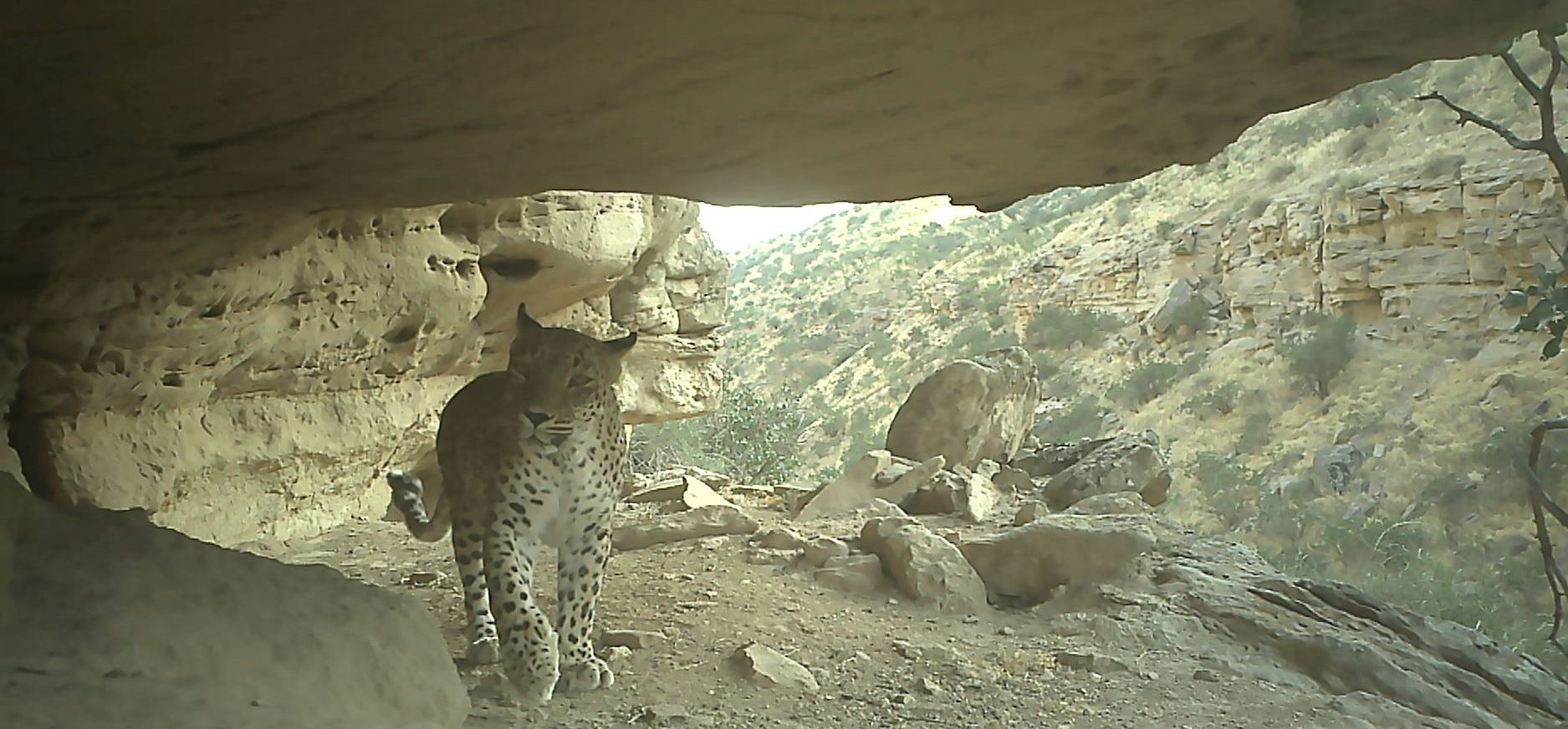
During the three-day meeting, CAMI Range States reaffirmed their commitment to conservation, showcasing successes with the saiga antelope, Bukhara deer, and Persian leopard. They also discussed challenges such as habitat fragmentation, climate change, migration barriers, poaching, and limited cross-border coordination. Delegates from Bhutan, China, India, Kazakhstan, Kyrgyzstan, Mongolia, Nepal, Pakistan, Tajikistan, Turkmenistan, and Uzbekistan participated; the Islamic Republic of Iran and Russian Federation were consulted online and endorsed the Work Programme with respect to the regions under their jurisdictions. Fifteen conservation organizations, including NGOs, government institutes, and IUCN, presented plans to support the Work Programme’s implementation in the coming years.
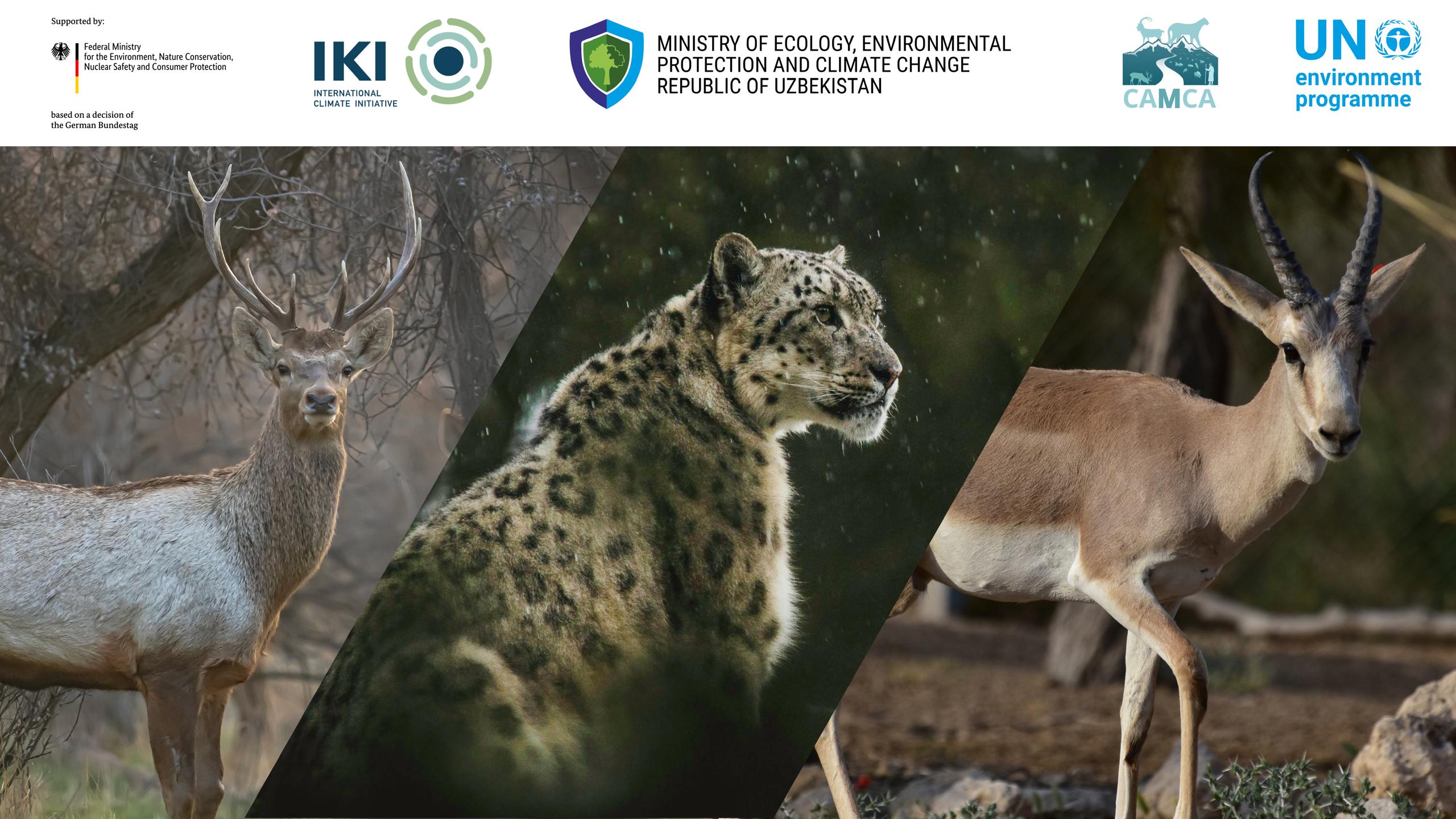
The Meeting was organized by the CMS Secretariat with support of Ms. Tatjana Rosen as technical consultant and funded through the “Central Asian Mammals and Climate Adaptation (CAMCA)” project of the International Climate Initiative (IKI) of the German Government.
The 15th Meeting of the Conference of the Parties to the Convention on Migratory Species (CMS COP15), to be held in Brazil from 23–29 March 2026, is a key event also for the CAMI region, where the CAMI resolution will be updated. The COP will offer Range States a platform to advance shared priorities such as mitigating migration barriers and preventing land degradation, proposing changes to CMS Appendices and strengthening transboundary cooperation and coordination for migratory species conservation. Outcomes from COP15 are expected to shape policy, mobilize resources, and bolster efforts to protect migratory species amid growing environmental pressures.
Supporting Quotes:
“The conservation of Central Asia’s iconic mammals, like the Snow Leopard, Bukhara Deer, Jeyran and Saiga cannot be achieved in isolation. These species know no borders and neither should our efforts. At the Third CAMI Range States Meeting in Tashkent, we reaffirmed our commitment to strengthening transboundary cooperation and building a unified regional approach to enhance conservation efforts”.
— Aziz Abdukhakimov, Minister of Ecology, Environmental Protection and Climate Change, Republic of Uzbekistan
“The new work programme of the CMS Central Asian Mammals Initiative comes at a critical moment, to reinforce the need to align conservation with sustainable growth. Tools like the newly launched interactive map of the region’s land animal migrations will be essential for guiding smart infrastructure planning. Together, these efforts lay the groundwork for stronger regional and global conservation action at the 15th Conference of the Parties to CMS.”
Amy Fraenkel, CMS Executive Secretary